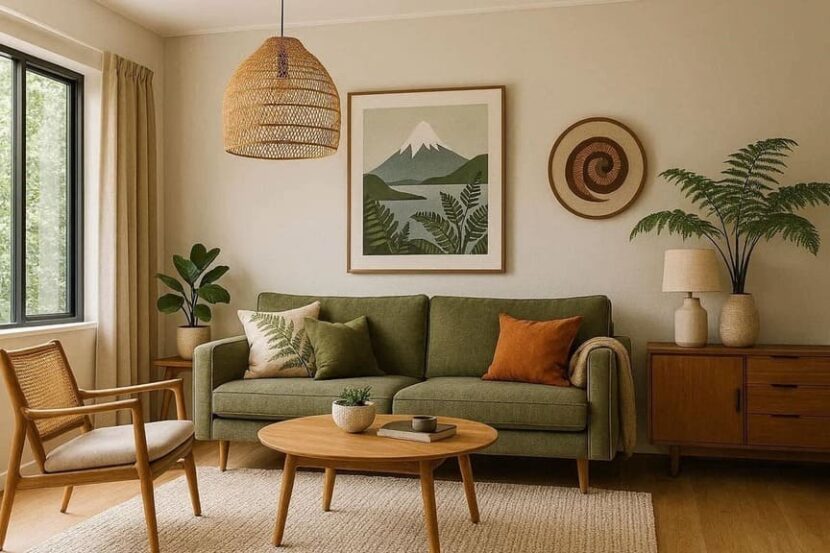
Something has quietly shifted in New Zealand homes over the last few years. We’ve stopped copying what London or Los Angeles are doing and started asking a different question: what actually looks and feels like us?
The answer — warm, grounded, a little wild, and deeply connected to the land around us — is what modern Kiwi home decor is all about. Whether you live in a renovated villa in Ponsonby, a coastal bach in the Coromandel, or a sleek apartment in Wellington, this guide will walk you through the trends, materials, and ideas shaping New Zealand interiors right now.
Let’s dive in.
What Makes Kiwi Style… Kiwi?
Before jumping into specifics, it helps to understand what separates New Zealand interior design from everything else. The short answer? We live between the bush and the beach. Our light is different (brighter in the north, softer in the south). Our cultural roots are layered — Māori, Pacific, British colonial, and increasingly Asian influences all coexist in the same street, sometimes in the same room.
That mix produces something genuinely unique: homes that feel relaxed but considered, earthy but not rustic, personal but never fussy. Cookie-cutter interiors are officially out. Individuality — layered, collected, and a little imperfect — is in.
1. Earthy Colour Palettes: Say Goodbye to Cold Greys
If your walls are still painted that cool, blue-toned grey from 2016, it’s time for a rethink. The colour story of the modern Kiwi home is warm, soft, and deeply connected to the natural landscape.
What’s working right now:
- Sage greens and olive tones that echo the native bush
- Sandy beige and warm off-whites that feel like sun on sandstone
- Clay terracotta — earthy, grounding, and surprisingly versatile
- Misty blue-greens that recall the Marlborough Sounds on a calm day
- Deep jewel tones (navy, emerald, burnt terracotta) for accent walls and statement furniture
The key isn’t to chase a single “it” colour — it’s about building a palette that feels cohesive and warm. Pair earthy tones with natural materials (timber, stone, linen) and you’ve got a room that practically hums.
Pro tip: New Zealand’s natural light varies dramatically by region. A clay red that glows beautifully in Auckland can look intense in Christchurch’s cooler light. Always test paint samples across different times of day before committing.
2. Biophilic Design: Bringing the Outside In
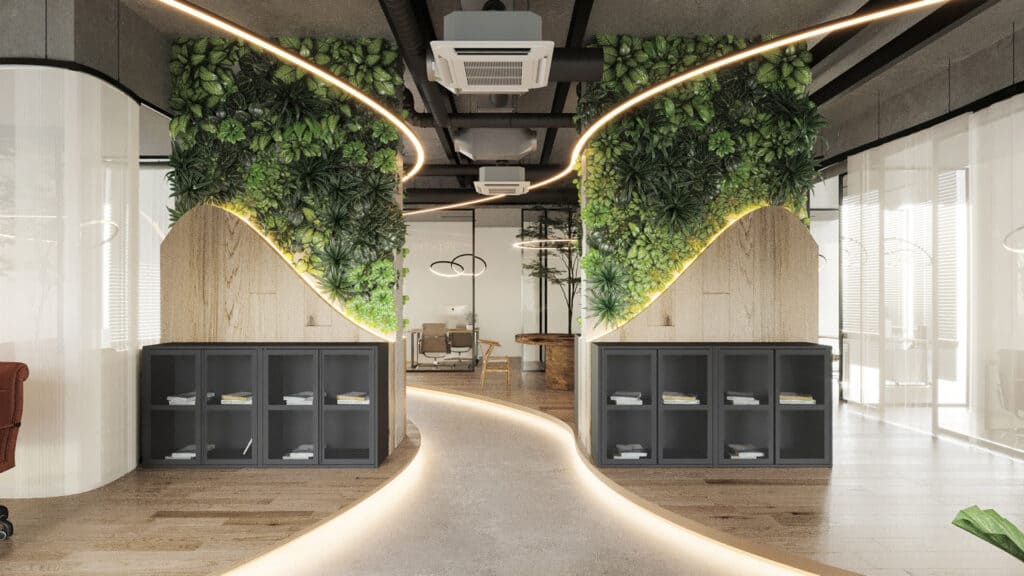
Kiwis have always had a complicated, loving relationship with nature. Biophilic design formalises that — it’s about designing spaces that actively maintain your connection to the natural world, even when you’re indoors.
This isn’t just an aesthetic trend. Research consistently shows that access to natural light, greenery, and organic materials reduces stress and boosts mood. For a country that spends a lot of time outdoors, it makes perfect sense that our interiors would follow suit.
How to do it well:
- Large windows and skylights — maximise that famous NZ sunshine; consider bi-fold doors that open the living space to the garden
- Indoor plants — from statement monstera in woven baskets to trailing pothos on shelves, greenery is non-negotiable
- Natural materials — timber floors, stone benchtops, jute rugs, rattan furniture
- Green walls — vertical gardens are having a real moment, particularly in urban apartments where outdoor space is limited
The goal is to make the boundary between inside and outside feel soft and porous — not like two separate worlds.
3. Texture and Tactile Walls: Beyond Flat Paint
One of the biggest shifts in Kiwi interiors recently is what’s happening on the walls — and it’s no longer just about colour.
Textured wall finishes are everywhere right now, and for good reason. They add depth, warmth, and a sense of craftsmanship that flat paint simply can’t replicate.
The finishes worth knowing:
- Venetian plaster — smooth, polished, and gloriously luxurious; works beautifully in living rooms and bathrooms
- Limewash — soft, mottled, old-world feel; surprisingly contemporary when done in modern tones
- Textured wallpaper — a practical option that delivers similar depth without the plasterer’s bill
- Shiplap panels — a Kiwi favourite, especially in the farmhouse and coastal styles that work so well in our architecture
These techniques speak to a broader appetite for handmade, artisan finishes — things that feel considered and human, not mass-produced.
4. Sustainable and Vintage: Buy Less, Choose Better
New Zealanders have long had a practical streak. We fix things, reuse things, and have a healthy suspicion of waste. In 2025, that instinct has fully merged with interior design — and the results look great.
Sustainable decorating isn’t about sacrificing style. If anything, it tends to produce more interesting rooms:
- Vintage and second-hand furniture that tells a story (Trade Me, op shops, and estate sales are goldmines)
- Local timber — rimu, matai, and oak are warm, durable, and distinctly New Zealand
- Upcycled pieces — a painter friend, some quality hardware, and a garage find can produce something genuinely unique
- Locally made ceramics, textiles, and art — supporting NZ makers keeps money in the community and brings real character into your home
The modern Kiwi approach isn’t “match everything from one store.” It’s “collect things you love over time and let them live together.” The result is a home that feels genuinely lived in — because it is.
5. Bold Cabinetry and Statement Kitchens
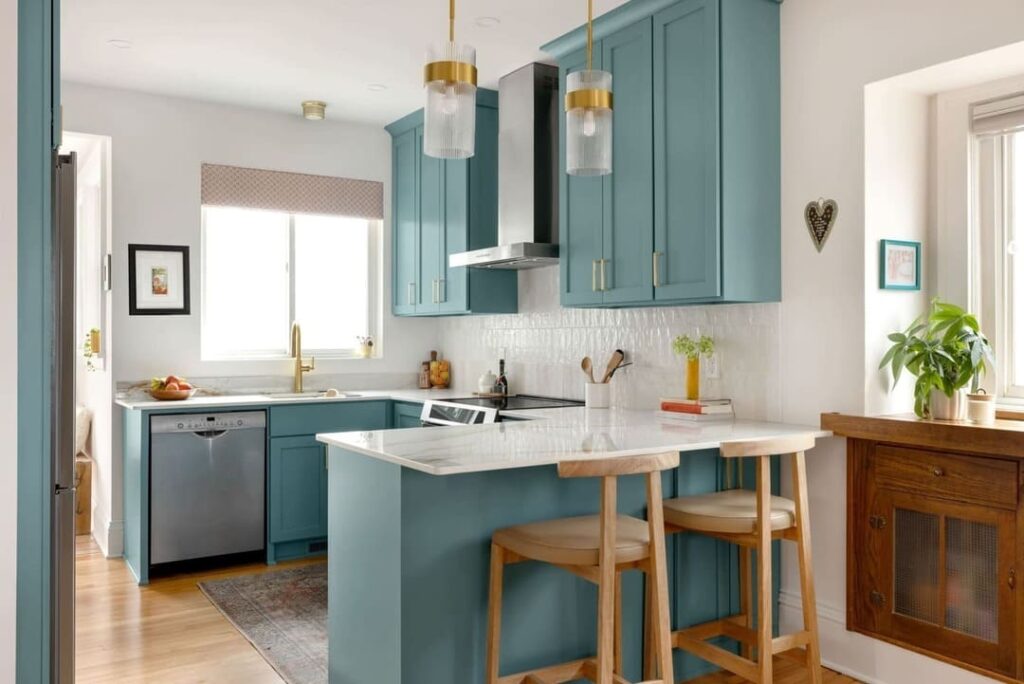
The kitchen is where Kiwi interior design is being most adventurous right now. The days of white-on-white kitchens are fading. In their place: colour, texture, and genuine personality.
What’s happening in NZ kitchens:
- Cabinetry in navy, forest green, and terracotta — bold and stunning against timber or stone benchtops
- Statement splashbacks in patterned tiles or coloured glass
- Timber finishes (oak, rimu) warming up modern kitchens
- Bold veined stone benchtops — quartz with dramatic grey streaks, or the increasingly popular Calacatta Viola marble
- Matte black hardware and sinks adding drama without fuss
Open-plan layouts continue to dominate, particularly in renovated villas and bungalows where knocking out a wall suddenly transforms a cramped, dark kitchen into the heart of the home. Pair it with a skylight and bi-fold doors and you’ve got something special.
6. Curved and Soft Shapes: Goodbye, Sharp Edges
Furniture and architecture have softened. Where the 2010s were all about clean, angular lines, the modern Kiwi interior embraces curves, arches, and organic forms.
Where you’ll spot this trend:
- Curved sofas and rounded armchairs (particularly in boucle or textured fabrics)
- Organic-shaped mirrors — no more boring rectangles
- Arched doorways and cabinetry details
- Round coffee tables replacing the standard rectangular ones
- Kitchen islands with curved ends
It sounds subtle, but it changes the feel of a room dramatically. Curves create flow. They make spaces feel warmer and more welcoming — less showroom, more home.
7. Māori and Pacific Influence: Design That Belongs Here
Perhaps the most meaningful shift in Kiwi interior design is the growing confidence with which New Zealanders are incorporating Māori and Pacific design elements — not as decoration, but as genuine expression of identity.
This shows up in several ways:
- Tukutuku panels and woven patterns in feature walls and soft furnishings
- Traditional colour palettes — kowhai yellow, carved reds, deep blacks — used in contemporary contexts
- Locally made taonga — art, ceramics, and textiles by Māori and Pacific artists
- Natural materials with cultural significance — harakeke (flax), kauri (where sustainably sourced), stone
When done with care and genuine connection, this approach produces interiors that couldn’t exist anywhere else in the world. That’s the point.
8. Layered Lighting: More Than Just a Bulb
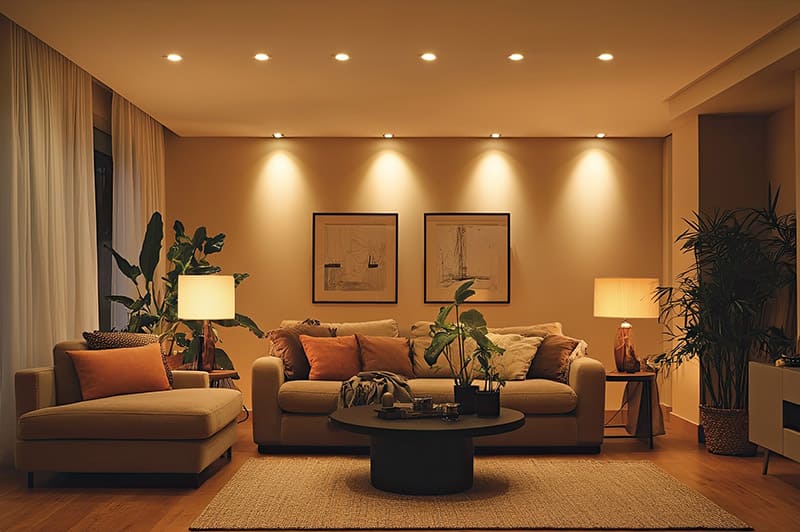
Lighting in the modern Kiwi home is no longer an afterthought. It’s a design feature in its own right — and getting it right transforms a room from flat to cinematic.
The layered lighting approach:
- Ambient lighting — the base layer; ceiling pendants, downlights, or a beautiful statement fixture
- Task lighting — under-cabinet strips in the kitchen, reading lamps by the bed
- Accent lighting — hidden LEDs behind shelves, picture lights, floor lamps in corners
- Statement pendants — sculptural, artistic, and increasingly the centrepiece of dining rooms and kitchens
Dimmable options throughout make it possible to shift the mood of a room from bright and functional to warm and intimate. This is especially important in New Zealand, where we spend a lot of time at home and need our spaces to do a lot of different things.
Putting It All Together
The beautiful thing about modern Kiwi home decor is that there’s no single formula. It’s not a style you can buy in one trip to a furniture store. It’s built gradually — through choices that reflect the landscape, the culture, and the person living there.
A few principles to carry through every room:
- Connect to nature — through light, materials, plants, or colour
- Layer textures — smooth with rough, soft with hard, old with new
- Buy local when you can — NZ makers produce world-class work
- Let it evolve — the best rooms are never “finished”
- Trust your own taste — the most stylish Kiwi homes are deeply personal
Whether you’re renovating a colonial villa, fitting out a new build, or simply refreshing a rental with some carefully chosen pieces, the core idea is the same: make it feel like home. Your home. Unmistakably New Zealand.