There’s a moment every plant owner knows well. You bring home something beautiful, position it proudly on a shelf, and three weeks later it’s doing that sad, slow-droop thing that means you’ve either overwatered it, underwatered it, or put it in entirely the wrong spot. You swear off plants. Then, inevitably, you walk past a nursery and it starts all over again.
The good news: most of this heartbreak is completely avoidable. The wrong plant in the wrong spot is the cause of almost every houseplant fatality — not a lack of gardening talent.
New Zealand homes have genuinely unique conditions. Our light varies wildly between regions. Auckland winters are mild and damp; Central Otago summers are blazing and dry; Wellington is basically just wind. What thrives in a sun-drenched Herne Bay bungalow might sulk in a south-facing Dunedin flat. And yet, most indoor plant guides available in New Zealand are essentially reposted from Australian or UK sources that don’t account for any of this.
This guide is different. It’s built specifically for Kiwi homes — real conditions, honest care advice, and plant recommendations that will actually work in the spaces most of us live in.
Before You Buy: The Three Questions Worth Asking
Most people pick a plant based on how it looks. That’s completely understandable — but it’s also why so many of them die. Before choosing anything, ask:
1. How much natural light does this spot actually get? Not how much you wish it got — how much it genuinely receives. A room with one north-facing window gets far less light than it feels like. South-facing rooms in New Zealand get the least direct sun (we’re in the southern hemisphere, remember). Be honest with yourself here.
2. How often will you realistically water this? If you travel for work, forget things exist for weeks, or simply live a busy life — own that. There are genuinely beautiful plants that can go three or four weeks without attention. Choose those.
3. Do you have pets or small children? A surprising number of common houseplants are toxic to cats, dogs, or toddlers. This doesn’t need to be a dealbreaker, but it’s worth knowing before you buy.
With those answers in hand, let’s get into the plants.
The Unkillables: Best for Beginners and Busy People
Pothos (Epipremnum aureum)
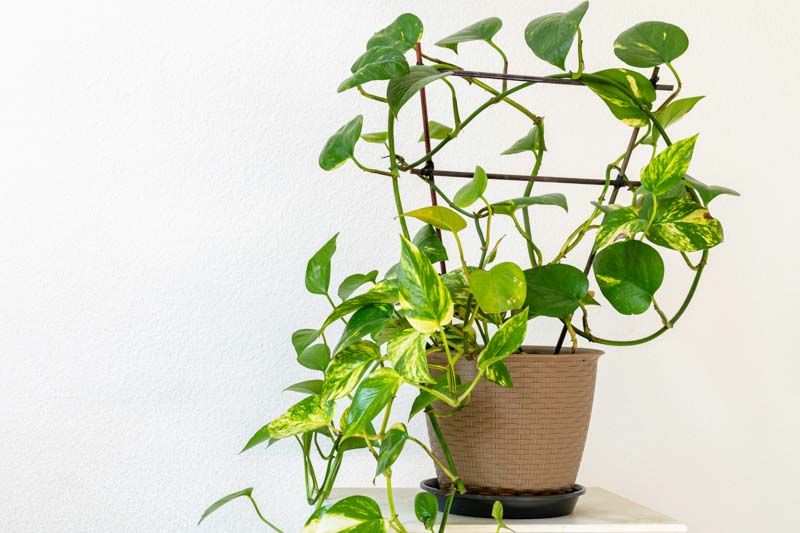
If you’ve killed plants before and are feeling cautious, start here. Pothos is genuinely one of the most forgiving plants in existence. It can tolerate low-light areas and handles inconsistent watering with remarkable grace. It trails beautifully from shelves or hangs in baskets, grows fast enough that you feel rewarded, and propagates so easily in a glass of water that you’ll soon be gifting cuttings to everyone you know.
Light: Low to bright indirect — extremely adaptable
Water: Every 1–2 weeks when soil feels dry
NZ note: Works beautifully in south-facing rooms that other plants struggle with. One of the best choices for rentals or apartments with limited natural light.
Snake Plant (Sansevieria / Dracaena trifasciata)
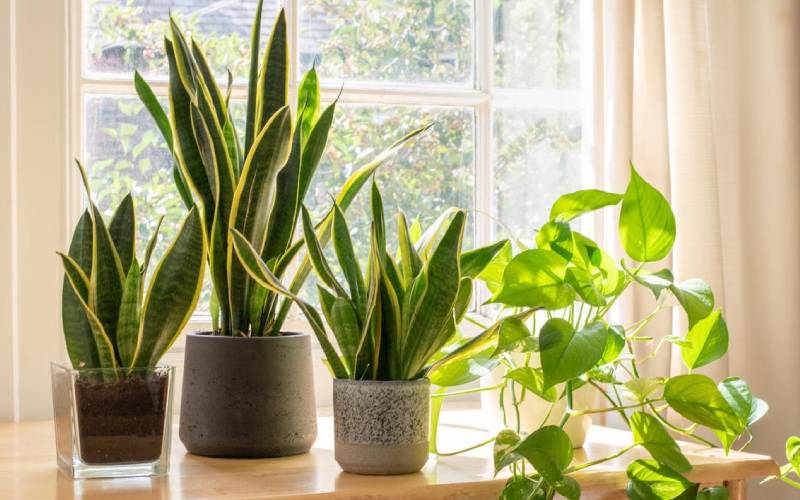
Also nicknamed the mother-in-law’s tongue — and like the stereotype, it is remarkably hard to get rid of. Snake plants need very little water each month and can handle dim to bright natural light, making them almost foolproof. Their upright, architectural shape looks genuinely striking in a modern Kiwi interior, particularly against earthy or neutral walls.
Light: Low to bright indirect
Water: Once every 2–4 weeks (less in winter)
NZ note: Ideal for Wellington homes where cold draughts and variable light can stress more sensitive plants. Nearly indestructible in most Kiwi conditions.
ZZ Plant (Zamioculcas zamiifolia)
With its exotic looks, glossy green leaves and ability to tolerate neglect, the ZZ Plant has been the pride of many a black thumb. It stores water in its thick rhizomes, which means it genuinely doesn’t mind if you forget it for a while. Slow-growing, yes — but steady and reliable, which is exactly what most of us need.
Light: Low to medium indirect
Water: Every 2–4 weeks; drought-tolerant
NZ note: A great choice for home offices and darker corners of living rooms. Glossy leaves reflect light beautifully even in dim conditions.
Spider Plant (Chlorophytum comosum)
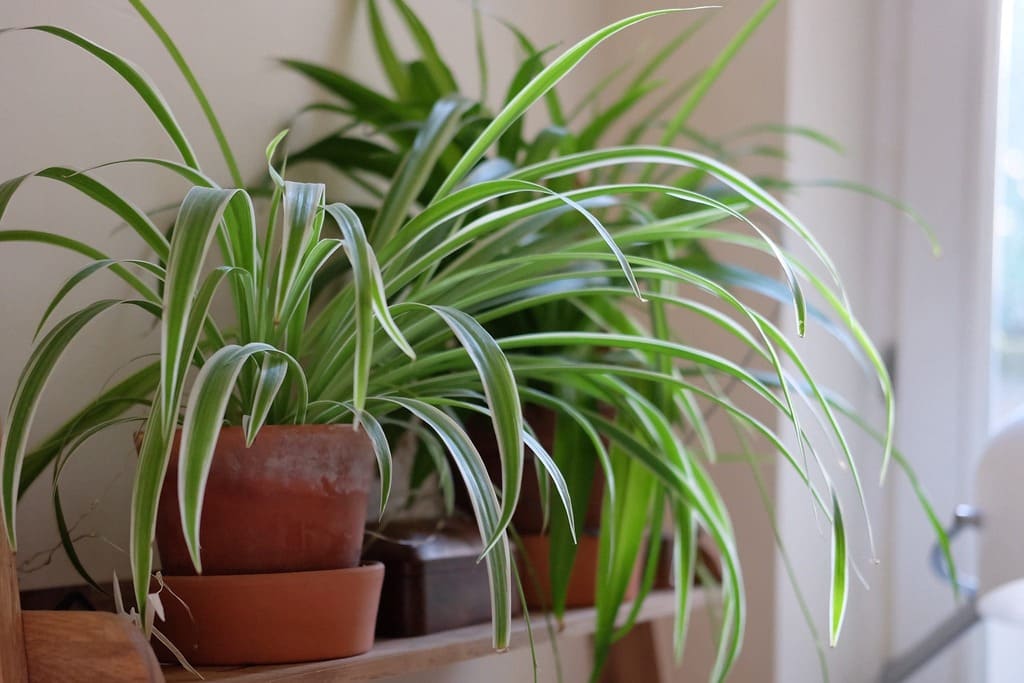
An old-school classic that’s making a comeback — and deservedly so. Spider plants are safe for cats and dogs, and easy to care for, which puts them in a rare and valuable category. They produce charming little “spiderette” pups on trailing stems that can be propagated, making them one of the most generous plants you can own. Bright, cheerful, and surprisingly architectural when grown in a hanging basket.
Light: Bright to medium indirect; avoid harsh direct sun
Water: When the top inch of soil dries out
NZ note: Thrives in Auckland and Bay of Plenty conditions. One of the best plants for hanging in a sunny kitchen or bathroom.
The Statement Makers: For When You Want Impact
Monstera Deliciosa (Swiss Cheese Plant)
The monstera has become something of a Kiwi interior design icon — and for good reason. Monsteras are easy-going houseplants that are generally pest-free. While they thrive in bright but indirect light, they can still tolerate a slightly shaded environment. Give one enough space and light and it will repay you with those spectacular split leaves that look like they belong in a design magazine.
Light: Bright indirect; can manage medium light with slower growth
Water: Every 1–2 weeks; let the top half of soil dry out between waterings
NZ note: One of the best statement plants for open-plan Kiwi living rooms. Place near (but not in) a north-facing window for best results. Grows quickly in Auckland’s warm, humid summers.
Fiddle Leaf Fig (Ficus lyrata)
The fiddle leaf fig has a reputation for being difficult — and honestly, that reputation is a little earned. But when you get the conditions right, it’s one of the most stunning indoor trees available. It makes a fantastic larger specimen plant — in a large container it can easily grow to around two metres tall.
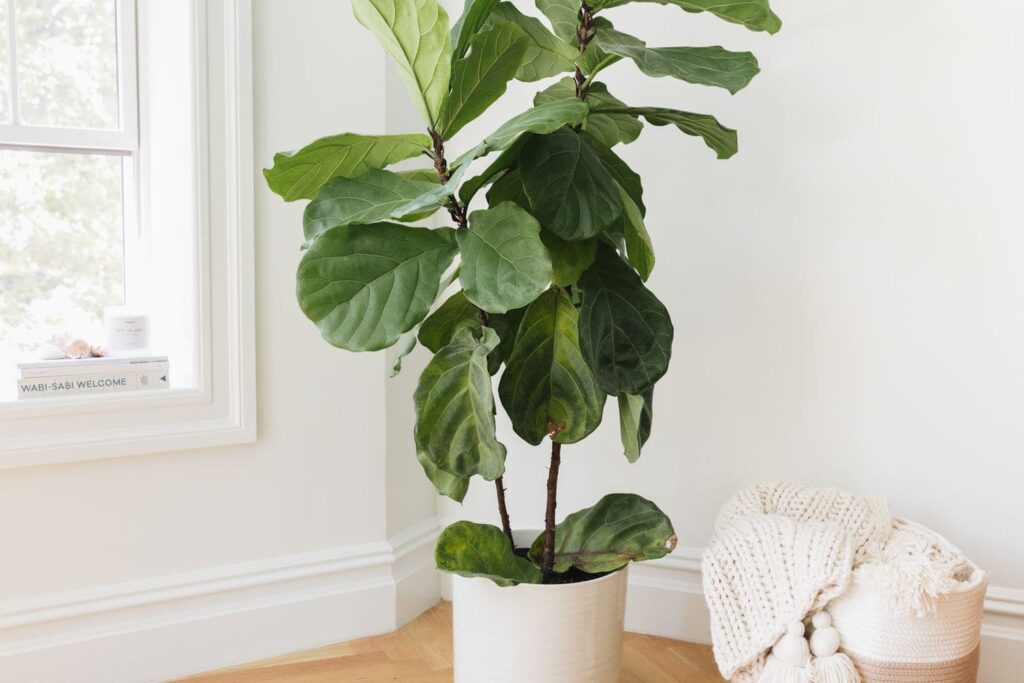
The key is stability. Pick a bright spot, and don’t move it. Fiddle leaf figs hate being relocated and will drop leaves in protest.
Light: Bright filtered light — near a north or east-facing window
Water: Keep consistently moist; don’t let it dry out completely, but don’t overwater
NZ note: Better suited to Auckland and Northland than colder South Island homes. Keep away from cold draughts — this is a Wellington plant killer.
Peace Lily (Spathiphyllum)
One of the few indoor plants that flowers reliably without direct sunlight, the peace lily is genuinely beautiful and surprisingly low-maintenance. The peace lily is suitable for low-light positions; soil should be kept moist, so water thoroughly when it’s dry to touch. It also has excellent air-purifying properties — a genuine bonus, not just a marketing claim.
Light: Low to medium indirect — one of the best flowering plants for dim rooms
Water: When the top inch of soil dries; it will tell you it’s thirsty by drooping slightly
NZ note: Brilliant for bathrooms and bedrooms across all of New Zealand. One of the few plants that genuinely improves the air quality of a room.
The Trending Picks: What’s Popular in Kiwi Homes Right Now
Hoya Carnosa
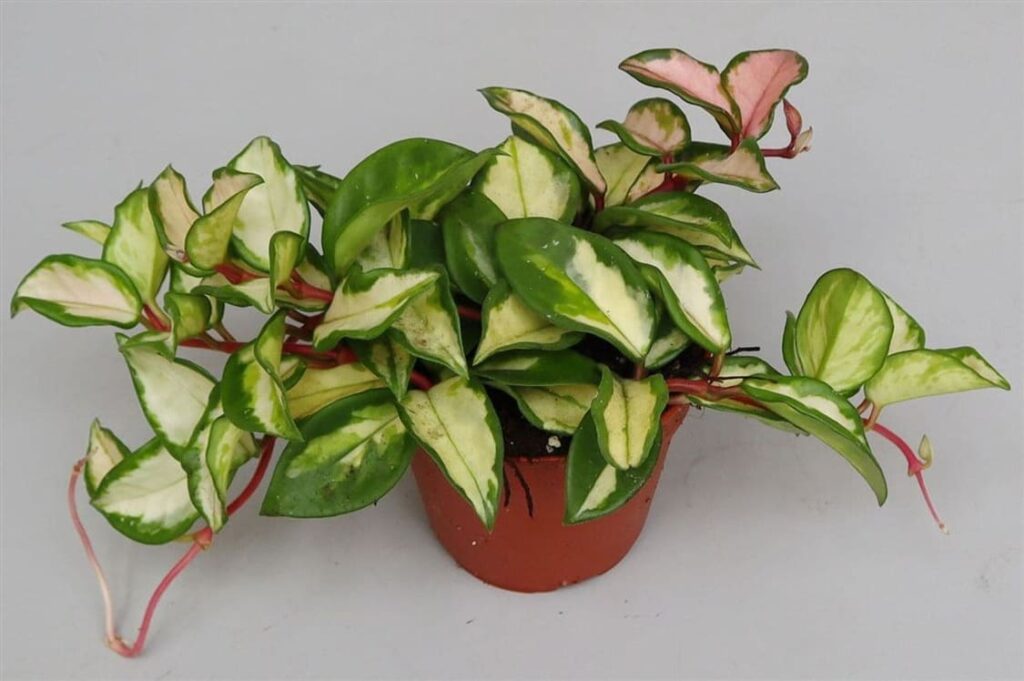
One of the hardiest hoya plants available, the Hoya Carnosa is a vining plant that does well in warm rooms. One of the only scented flowering indoor plants, the carnosa is an old favourite that looks lush throughout the year. Hoyas in general are having a major moment in New Zealand plant circles, and with good reason — they’re slow but beautiful, and their waxy leaves are almost sculptural.
Light: Bright indirect
Water: Less than most plants; allow soil to dry between waterings
NZ note: Does well on sunny windowsills. The flowers — small, star-shaped, deliciously fragrant — are worth waiting for.
Chain of Hearts (Ceropegia woodii)
Easy-care Chain of Hearts is among the top trending plants right now and it’s not hard to see why. The tiny heart-shaped leaves on trailing purple vines are genuinely charming, and it handles inconsistent watering better than almost any other trailing plant. Perfect for shelf edges and hanging planters.
Light: Bright indirect to some direct morning sun
Water: Every 2–3 weeks; drought-tolerant
NZ note: A beautiful addition to any Kiwi bedroom or living room shelf. Pairs perfectly with the earthy, natural palette trending in NZ interiors right now.
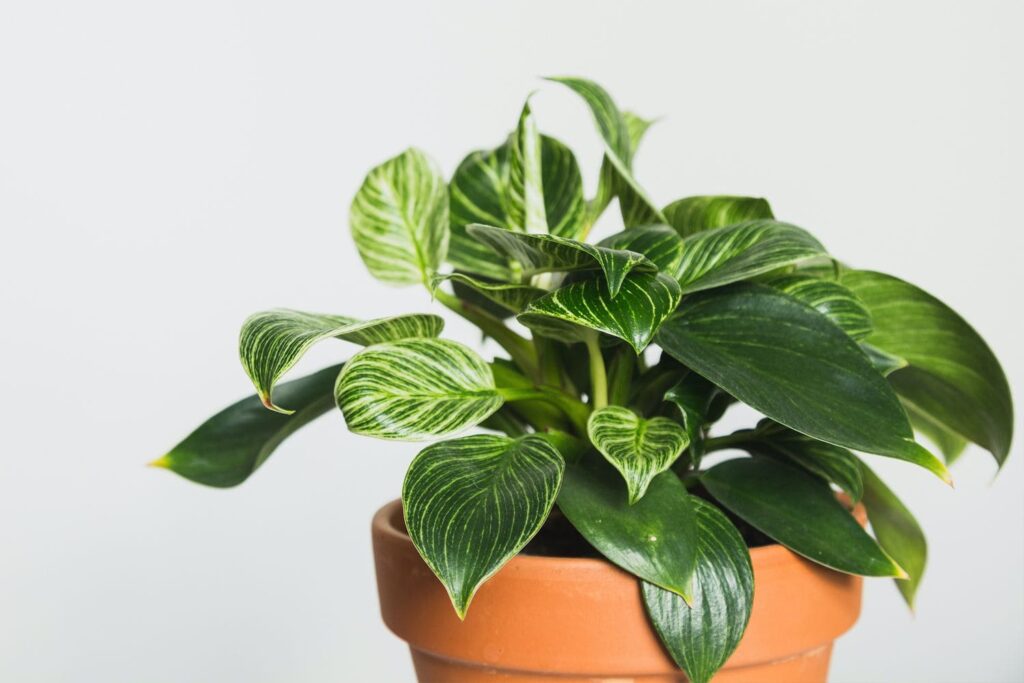
Philodendron (various)
With various kinds of Philodendrons on the market, there is bound to be one to suit every indoor aesthetic. The heartleaf philodendron is arguably the easiest — fast-growing, tolerant of lower light, and happy trailing or climbing. The more architectural varieties (bipinnatifidum, gloriosum) have become collector’s items in NZ plant circles.
Light: Medium to bright indirect
Water: When the top inch of soil dries; fairly forgiving
NZ note: One of the most adaptable plants for New Zealand conditions across all regions.
Care Basics Every Kiwi Plant Owner Should Know
You can skip a lot of the drama of plant ownership if you understand a handful of fundamentals that most guides bury or skip entirely.
Watering is the number one killer — and overwatering kills more than underwatering. The instinct to water frequently is well-meaning but often lethal. Most indoor plants prefer to slightly dry out between waterings. Stick your finger two centimetres into the soil. If it’s still damp, wait. If it’s dry, water thoroughly until it drains from the bottom, then leave it.
Seasonal rhythms matter in New Zealand. Spring and summer are growing seasons — plants need more water and can handle fertiliser (a liquid feed every 4–6 weeks is plenty). In autumn and winter, growth slows dramatically. Water less, skip the fertiliser, and avoid repotting your plants in autumn and winter, as there is little to no new growth happening during this time.
Drainage is non-negotiable. Every pot needs a drainage hole. Plants sitting in stagnant water at the base of a pot will rot. No exceptions.
The pot matters as much as the plant. A terracotta pot dries out faster than a plastic or glazed ceramic one — which can be an advantage for drought-tolerant plants and a disadvantage for moisture-lovers. Know your pot’s drainage behaviour.
Dust the leaves. It sounds fussy but it’s actually important — dusty leaves can’t absorb light efficiently. A damp cloth once a month on larger-leafed plants makes a real difference to how they look and how well they grow.
Where to Find Great Plants in New Zealand
If you’re looking to buy indoor plants in New Zealand, here are some of the most popular and reliable places to start:
- Plant and Pot NZ (Auckland, ships nationwide) — excellent quality, well-presented, great for gifting
- Kings Plant Barn — reliable range across Auckland; good for beginners
- Bunnings — surprisingly decent for common varieties at very accessible prices
- Trade Me — brilliant for rare or unusual varieties, often cheaper than nurseries, and usually sold by passionate plant people who propagate their own
- Facebook plant swap groups — every city has them; free or very cheap, and a genuinely lovely community
The Bottom Line
The best indoor plant is the one that suits the actual conditions of your actual home — not the one that looked most beautiful at the nursery. Get that match right, understand the watering rhythm, and keep an eye on drainage, and you’ll wonder why you ever found plants difficult.
Start with one pothos or snake plant. Watch it thrive. Then add another. Then another. Before long you’ll be the person giving plants for patios and decks to everyone you know — which, honestly, is one of the best feelings plant ownership has to offer.